Retail Travel: The Top 5 Social Media Apps to Reach Chinese Consumers
If you have ever tried to promote a retail or travel brand in China, you already know it is a completely different digital world. Forget Instagram, Facebook, or YouTube. The Chinese online ecosystem runs on its own powerful set of platforms where people discover products, share experiences, and make purchases without ever leaving the app.
What are the Top 5 Social Media Apps to Reach Chinese Consumers (and How to Market Smarter)
“I have worked in China’s travel retail space for several years and I have seen both Western brands fail and succeed. The difference usually comes down to how well they understand Chinese social media and local behavior.” Olivier VEROT , founder of GMA
Here are the top five social media apps that every retail or travel brand should know, plus a few marketing tips that actually work in China.
1. WeChat (微信) – The Everything App
If you want to do business in China, WeChat is essential. It is part messenger, part social media, part e-commerce, and even a payment platform. Think of it as a mix of WhatsApp, Facebook, Shopify, and PayPal all in one place.
What it is best for:
- Customer relationships and loyalty programs
- Direct communication through Official Accounts
- Mini Programs for bookings, stores, or games
Marketing Tip:
Treat WeChat as your customer relationship management tool, not just a social channel. Build a WeChat Official Account, collect followers via QR codes everywhere (especially in-store or during events), and send personalized, useful content. WeChat Moments Ads are great for awareness, while Mini Programs can handle bookings or direct purchases.
2. Xiaohongshu (小红书 / RED) – The Lifestyle and Discovery App
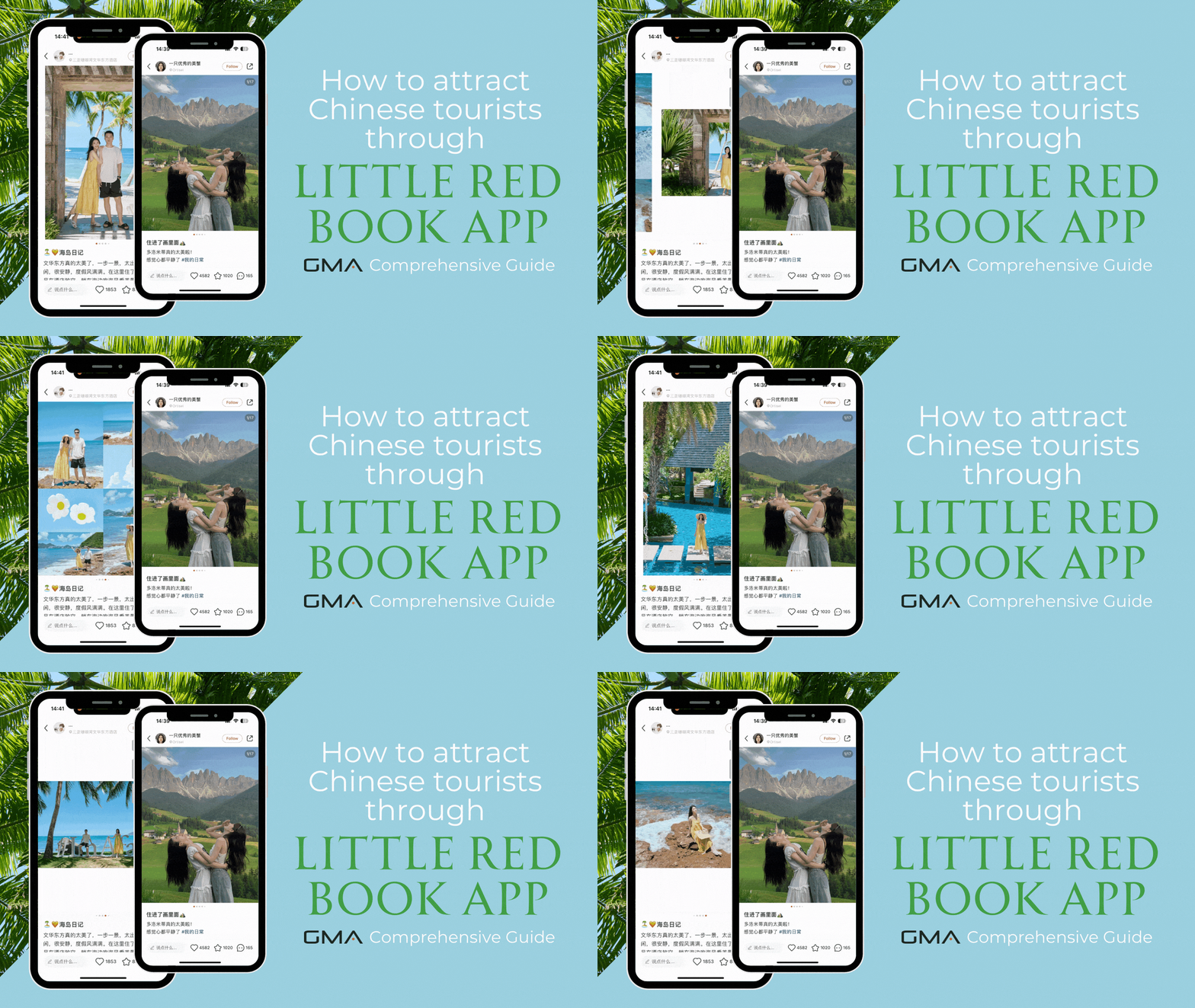
Xiaohongshu, also known as RED, is a mix of Instagram and Pinterest. It is the go-to platform for product discovery among young, urban Chinese consumers, especially women. People go there to find authentic reviews, travel inspiration, and shopping tips.
What it is best for:
- Influencer marketing and lifestyle storytelling
- User-generated content
- Beauty, fashion, travel, and food recommendations
Marketing Tip:
Work with micro-influencers (cheaper 😉 ) who fit your niche and have real engagement, not just big follower numbers. Focus on storytelling and authenticity. Posts that show “real experiences” perform much better than direct ads. Always localize your visuals and captions for Chinese culture.
3. Douyin (抖音) – The Short Video SuperApp
Douyin is the Chinese version of TikTok, but it is far more commercialized. It is one of the fastest ways to build brand awareness and drive sales in China. Many users discover travel destinations or products directly through short videos.
What it is best for:
- Viral content and brand storytelling
- Livestream e-commerce
- Travel experiences and product demos
Marketing Tip:
Keep your videos short, dynamic, and visually strong. Use trending music or filters but adapt them to your brand’s tone. Collaborate with Chinese creators who understand local humor and trends. If your brand fits lifestyle, travel, or fashion, Douyin is a must.
4. Weibo (微博) – The Public Conversation
(I am not a big fan of Weibo anymore 😉 )
But .. yes Weibo functions like a mix of Twitter and Instagram. It is an open social platform where news spreads fast and public conversations shape brand perception.
What it is best for:
- Brand awareness and press announcements
- KOL (Key Opinion Leader) collaborations
- Campaigns and giveaways
Marketing Tip:
Use Weibo for visibility and storytelling, not direct sales. Build credibility through partnerships with influencers, celebrities, or local media accounts. Consistent posting and engagement during Chinese festivals can increase brand recognition.
5. Bilibili (哔哩哔哩) – The Creative Community
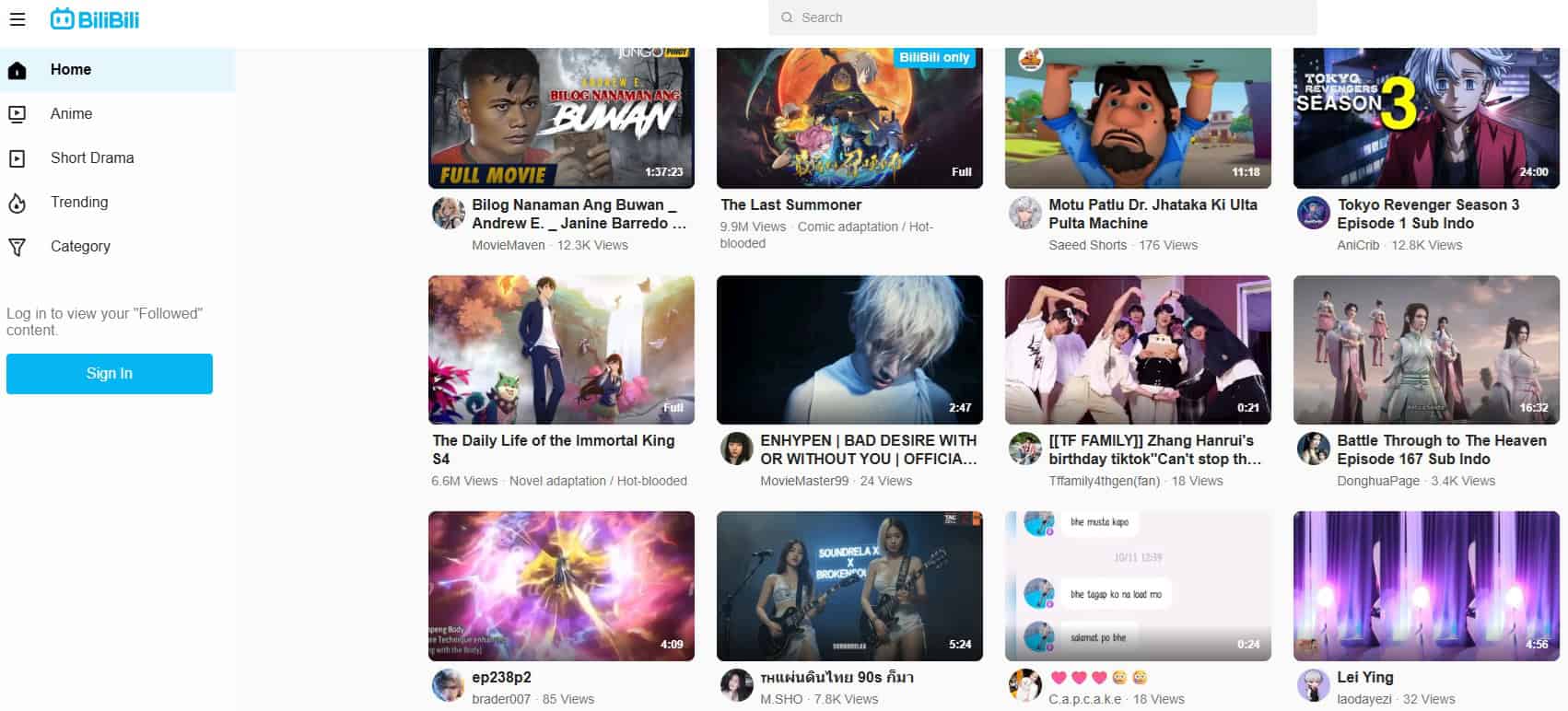
Bilibili started as a niche video platform for anime and gaming fans, but it has grown into one of China’s most creative and trusted communities for young people. Long-form video content works well here, especially educational or travel-related storytelling.
What it is best for:
- Brand documentaries and behind-the-scenes videos
- Educational or cultural storytelling
- Connecting with Gen Z audiences
Marketing Tip:
Think of Bilibili as a place for deep engagement. Do not sell directly. Instead, create videos that educate, entertain, or inspire. Collaborate with creators who can communicate your brand’s story in an authentic way.
Final Advice for Retail and Travel Brands
To succeed in China, you need to do more than translate your content. You must localize it and understand how each platform fits into people’s daily lives. Chinese consumers are smart, social, and mobile-driven. They value quality, trust, and a sense of community.
Start by choosing one or two platforms that match your goals and audience. Build gradually, listen to feedback, and adapt quickly. Consistency and cultural understanding matter more than flashy campaigns.
If you get it right, China’s social media landscape is not a maze. It is a fast-moving market full of opportunity for brands that are ready to engage sincerely.