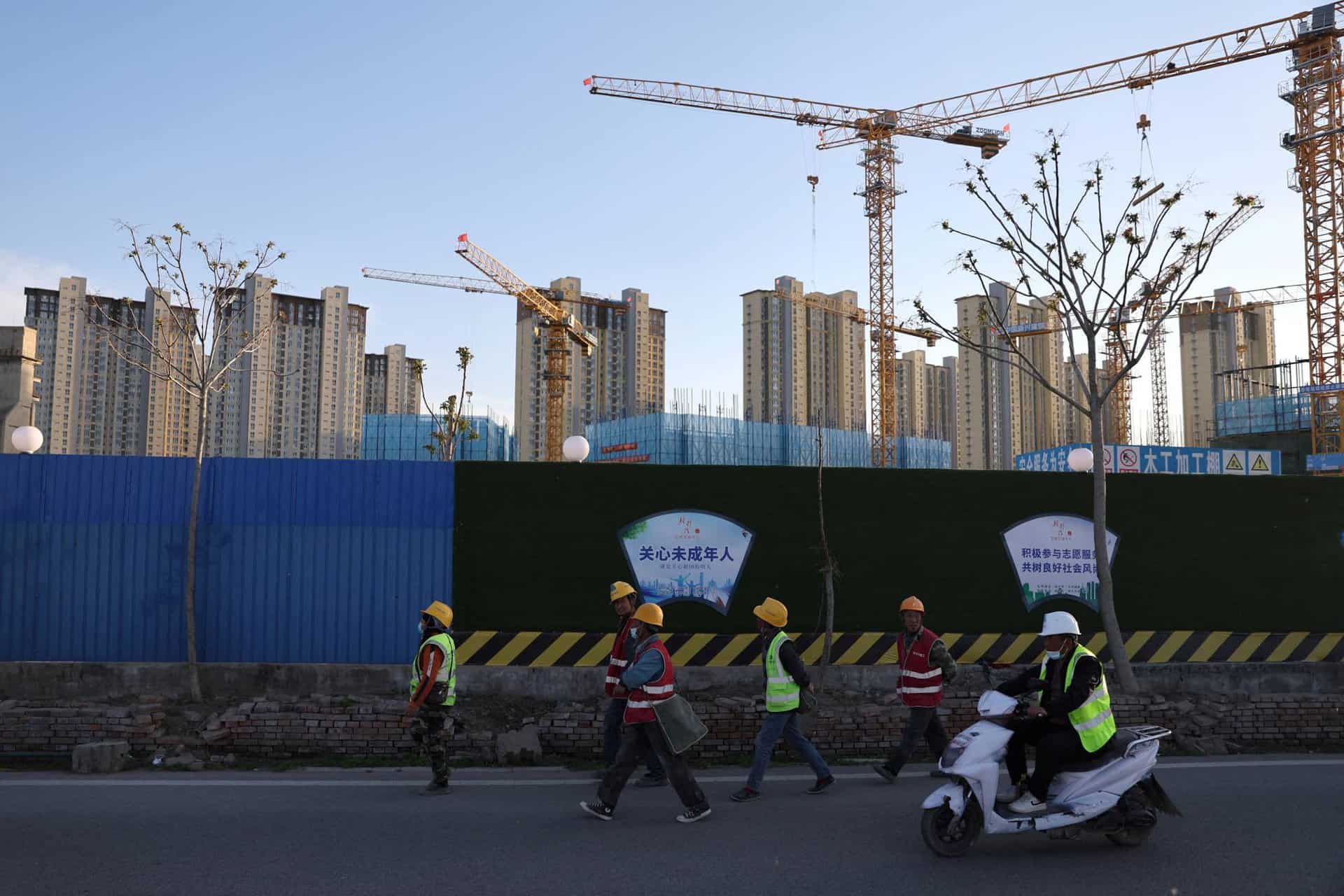
China’s real estate firms will use a peculiar marketing tactic to attract buyers
China’s property market is in a deep slump, so real estate companies have come up with some strange ways to attract buyers.

Due of the severe downturn in China’s real estate industry, real estate companies have devised a peculiar marketing plan to attract homebuyers. China’s real estate developers have begun accepting watermelons and other agricultural products as payment for homes.
I’m Philip Chen, CEO of GMA, where we empower international brands to conquer the Chinese market through smart digital strategies. With over a decade in e-commerce and social media, I’ve seen firsthand how platforms like Douyin : China’s powerhouse short-video app with over 700 million daily users—can transform real estate lead generation. In a market where urban millennials and Gen Z are snapping up properties amid economic shifts, Douyin isn’t just entertainment; it’s a goldmine for developers. Certified accounts alone generated 1.8 million leads in 2023. Today, I’ll share seven battle-tested tactics that Chinese real estate giants like China Resources are deploying on Douyin to hook high-value buyers. These aren’t fluff—they’re scalable, data-driven moves to fill your pipeline with qualified leads. Let’s dive in.
Tactic 1: Craft Immersive Short Videos with Virtual Tours Start with the basics: eye-candy content that sells the dream. Chinese buyers crave visuals—think sleek drone shots of luxury high-rises at sunset or interactive VR walkthroughs of model homes. Keep videos under 30 seconds, packed with hooks like “Your Shanghai skyline view for under 5M RMB?” At GMA, we’ve helped clients boost engagement by 40% using localized scripts in Mandarin, blending feng shui tips with modern amenities. End every clip with a swipe-up CTA to a mini-program landing page for brochure downloads. This tactic turns passive scrollers into hot leads overnight, especially for overseas properties targeting affluent expats.
Tactic 2: Harness Live Streaming for Real-Time Engagement Live streams are Douyin’s secret weapon—interactive gold that builds trust faster than any brochure. Host weekly sessions where agents demo floor plans, answer queries on mortgage rates, or even host virtual open houses with viewer polls. China Resources nailed this, integrating live ops into their ecosystem to rival paid ads in lead volume. Pro tip: Time streams for evenings when urban professionals unwind, and use Douyin’s gifting features to incentivize questions—top commenters get exclusive previews. We’ve seen conversion rates hit 15% on these, far outpacing static posts, because buyers feel seen, not sold to.
Tactic 3: Partner with KOLs for Authentic Endorsements Key Opinion Leaders (KOLs) are the influencers who move needles in China—think lifestyle vloggers with 1M+ followers reviewing “hidden gem” neighborhoods. Collaborate on co-created content: a beauty KOL touring a spa-equipped condo, or a finance guru breaking down ROI on green-certified builds. Platforms like Douyin amplify these via algorithm boosts, driving 2-3x more leads than solo posts. At GMA, we vet KOLs via data analytics for audience overlap with your buyer personas—mid-30s professionals eyeing family homes. The result? Credible buzz that funnels traffic straight to your WeChat mini-app for inquiries.
Tactic 4: Deploy Native Ads for Seamless Discovery Forget intrusive banners; native ads on Douyin blend into feeds like a perfect match. Place sponsored videos in users’ “For You” pages, targeting high-intent searches like “Beijing luxury apartments.” HSBC notes how these “irresistible clicks” place properties literally in buyers’ palms. Use A/B testing on thumbnails—e.g., aspirational family scenes vs. investment stats—and track CPL (cost per lead) dropping to under 10 RMB. For real estate firms, this means geo-fenced ads in Tier-1 cities, capturing relocating execs before competitors do.
Tactic 5: Launch Hashtag Challenges to Spark Virality User-generated content is king—ignite it with branded challenges like #DreamHomeHack, where users share redesign ideas for your sample units. Douyin’s algorithm loves participation, pushing entries to millions and tagging your account. Reward top entries with site visits or discounts, turning fans into leads. We’ve orchestrated challenges for clients that generated 50K+ interactions, with 20% converting via embedded forms. It’s organic, fun, and scales exponentially in China’s challenge-obsessed culture.
Tactic 6: Leverage AI Tools for Hyper-Personalized Content Scale without the headache: AI isn’t futuristic—it’s essential. Tools like MytePro’s AI Creative Lab auto-generate scripts, edit clips, and suggest trends tailored to real estate niches, from eco-villas to urban lofts. Input buyer data (age, location) and output localized videos in seconds. China Resources used this to standardize ops across regions, slashing production time by 60% while lifting lead quality. At GMA, we integrate it with DMP targeting for precision—your content hits the right eyes, every time.
Tactic 7: Optimize Lead Capture with In-App Ecosystems Close the loop: Don’t let engagement fizzle. Embed CTAs linking to Douyin’s in-app forms or mini-programs for instant bookings—external links? Forget it, they’re blocked. Build a three-tiered system: HQ for strategy, regions for customization, projects for execution, like CR’s model. Follow up via WeChat automation within hours, nurturing with personalized drips. Track everything—views to conversions—with Douyin’s analytics. This tactic alone can yield 200K+ monthly leads, as seen industry-wide.
In wrapping up, these seven tactics aren’t isolated; they’re a symphony. Integrate them via a unified Douyin ecosystem, measure relentlessly (aim for CTRs over 2%, CPL under 20 RMB), and iterate. China’s real estate scene is rebounding—H1 2025 sales up 15% in key cities—but only those mastering Douyin will lead the charge. At GMA, we’re here to blueprint this for you. Drop a comment or DM—let’s turn scrolls into signatures. What’s your biggest Douyin hurdle
According to Global Times, a developer in Nanjing announced it would accept payment for homes in watermelon at a rate of 20 yuan per kilogram. The media site, citing a corporate representative, reported that the odd promotional event has been halted on the orders of the company’s headquarters. “We were instructed to remove all promotional posters from social media sites,” the spokesman stated, adding that new promotional activities may be developed.
The objective of the promotion is to support local watermelon producers, according to a sign advertising a promotional event from June 28 to July 15.
The real estate market was one of the few sought-after destinations for family money. The developers and homebuyers were also eager to take out bank loans, but China’s good times stopped a year ago.
The household debt surpassed 10 trillion dollars. Approximately 27% of bank loans in China are related to real estate, according to the Policy Research Group (POREG).
This industry was formerly the largest employment provider in China, but it is now referred to as a “Lehman moment” in reference to the 2008 failure of Lehman Brothers, which precipitated the global financial crisis. More so now that the number of empty homes has surpassed 65 million (some estimates put it at 90 million) – enough to accommodate the entire population of France – and raised the specter of a stumbling global economy.
Real estate was one of the few sought-after investments for family wealth. Also eager to obtain bank loans were developers and homebuyers, but China’s good times ended a year ago. The consumer debt exceeded 10 trillion dollars. Policy Research Group estimates that 27 percent of bank loans in China are related to real estate (POREG).
Formerly the greatest employer in China, this industry is now referred to as a “Lehman moment” in reference to the 2008 bankruptcy of Lehman Brothers, which triggered the global financial crisis. More so now that the number of vacant homes has topped 65 million (some estimates put it as high as 90 million) – enough to house the entire population of France – and raised the specter of a faltering global economy.
The real estate crisis pushes Chinese to invest overseas
Some tips and advice to sell real estate properties to Chinese investors
Initially, you should consider the mentality of Chinese investors. More emphasis should be placed on advertising real estate developments that include innovations and new technologies. Before beginning to sell real estate in China, it is essential to have a comprehensive awareness of buyer purchasing patterns. Gaining insight into what they are seeking across China’s many marketing platforms can be really beneficial.
China’s secret is its “digitalization,” which is the most crucial fact to know. With a 900 million dollar investment and a 70 percent Internet penetration rate, the entire investment ecosystem has been focusing on online platforms and technologies.

Reach out to China’s Real Estate Investors: Online Leads/prospect Generation
China currently has a 70% internet penetration rate, with over 940 million users connected online. Approximately 350 million’middle-upper class’ persons are online every day in China. Therefore, if you wish to reach China’s middle and upper classes, a full digital strategy would be required. Why? Due to the fact that the Chinese market is distinctive and has its own internet portals, e-commerce platforms, and social media.
Adapt to the Chinese market
In China, the best way to get leads is through digital means. China is one of the most online-focused places in the world, and investment is no different. You should know that the average Chinese person spends 1.5 hours a day looking for information online. Also, because they are tech-savvy, young people are always on social media and sharing content with their friends and peers.
Make a website in Chinese
Your digital strategy should be built around having a Chinese website. You should know that most Chinese people don’t speak English well, so if your website isn’t written in simplified Chinese, they won’t even look at it.
This is also a very important factor in how well you rank on the search engine Baidu. No matter how good your reputation is in the U.S., keep in mind that when your business goes to China, you are almost completely unknown. Because of the “great firewall,” no one can see your good reviews.
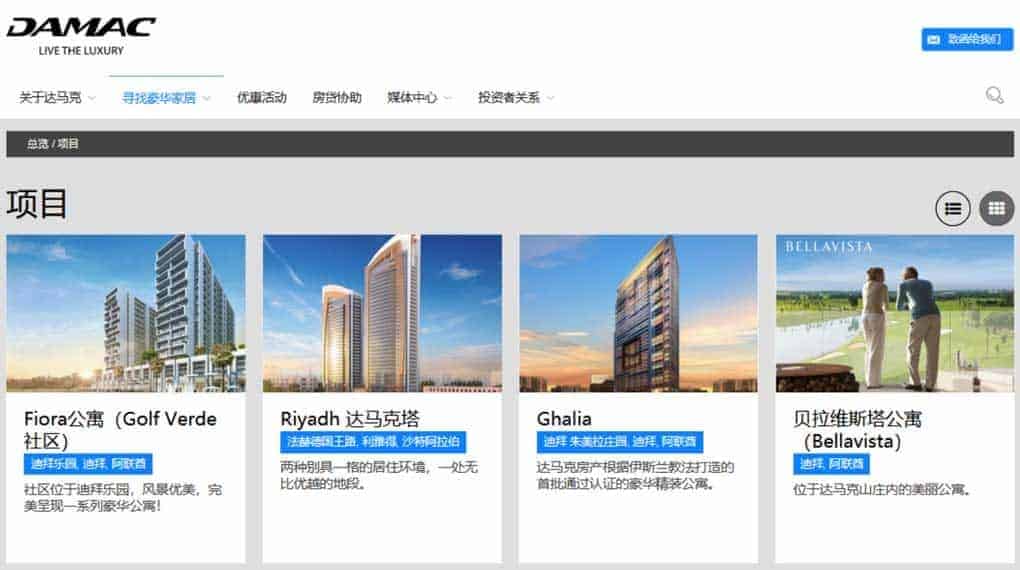
We help you with selling real estate properties to Chinese investors
As specialists in the Chinese market with almost 10 years of experience, we basically know all the strategies in order to succeed in China. Over the years, we were able to enhance our services and strategies in the Chinese market.




Follow talks on Facebook groups https://www.facebook.com/groups/1762417423998533
We would like to find real estate developpers in Europe, America, Canada or Australia
Contact me
I work for iHome and I have clients that really want to invest oversea.
Thank you for this contact.
We will resgister you in our Chinese real estate database 🙂