Why Chinese Tourists Are Searching for Shopping Experiences
The Rise of Experiential Travel: Why Chinese Tourists Are Searching for Shopping for Immersive Experiences
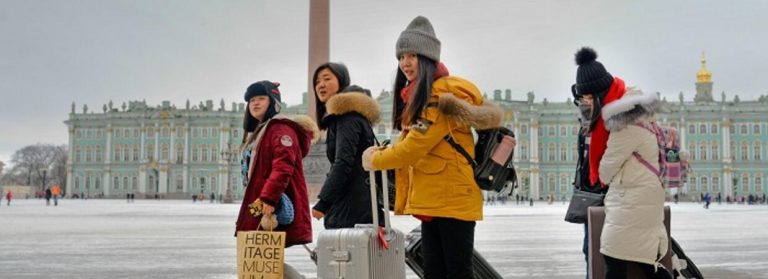
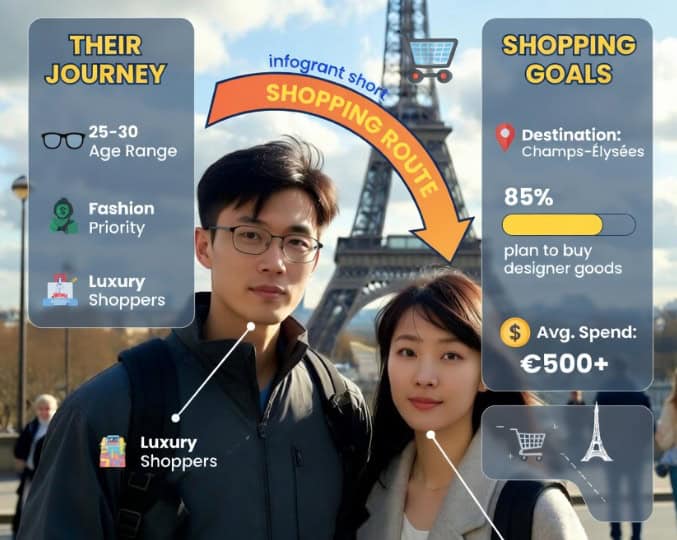
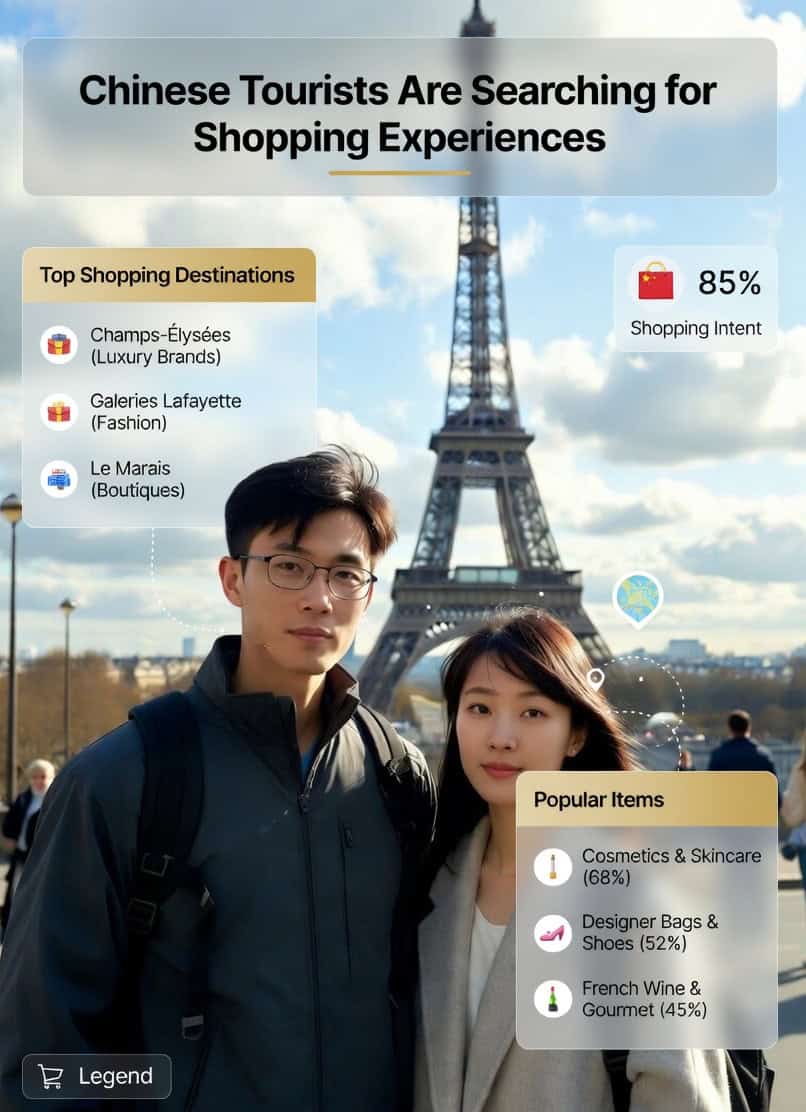
A few years ago, when Chinese groups arrived in Paris or Milan, the first stop was often the big luxury stores. Bags full of perfumes, watches, and fashion. Shopping was the main reason for many trips. Today, things look different. Many Chinese tourists still buy souvenirs, but they spend less time in malls and more time doing things. They want to learn, feel, and remember.
I am French , Claire VEROT, director in GMA and I have worked with tourism businesses in Europe for over 10years.
I help them talk to Chinese clients. I saw the change happen step by step. In 2023 and 2024, clients told me their Chinese guests asked fewer questions about tax refunds and more about cooking classes, wine workshops, or quiet walks in nature. The numbers confirm what I observe every day. Shopping used to take a big part of the budget. Now culture, food, and real experiences take the lead.
Why this shift?
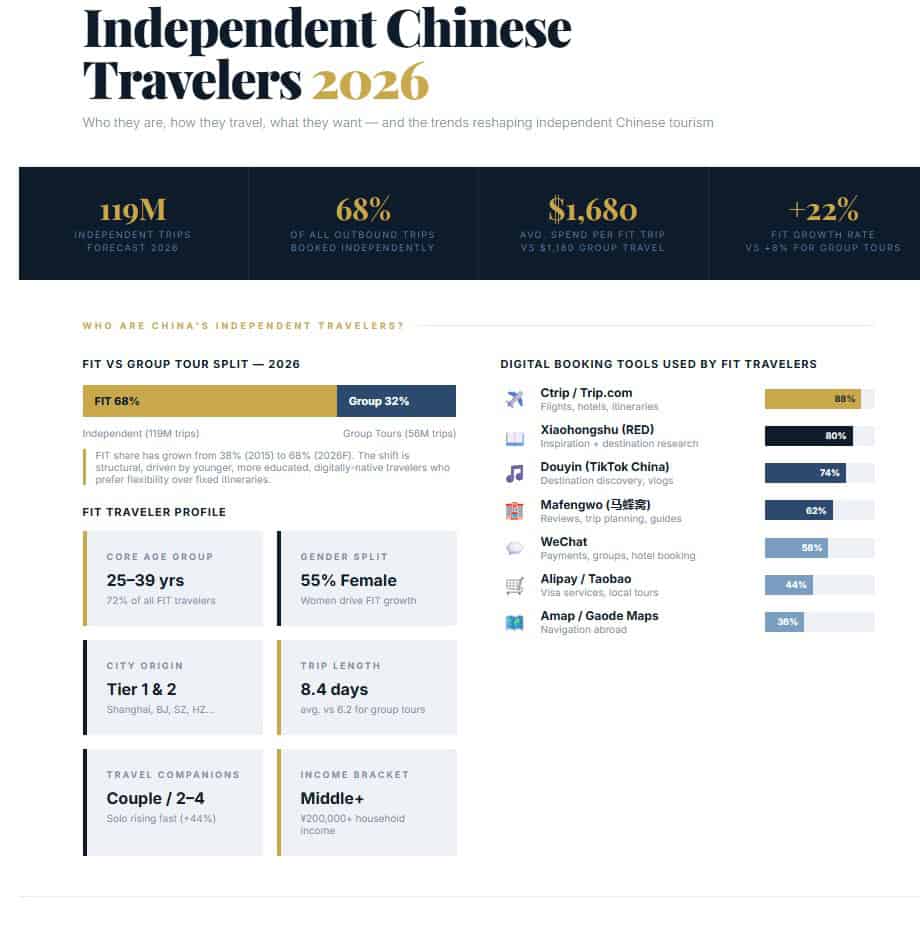
First, the travellers themselves changed. Before the pandemic, many came in big organised groups. The programme included mandatory shopping stops. Now, more people travel independently or in small groups. They are younger, often between 25 and 40. They have money, but they look for meaning. They want trips that they can share on Xiaohongshu with nice photos and honest stories.
Social media plays a big role. On Xiaohongshu, people do not just post “I bought this bag”. They post “I learned to make pasta in a small village in Tuscany” or “I spent a morning picking tea in the mountains”. These posts get more likes and comments. Douyin videos show real moments: a guest trying local food, walking in a forest, or talking with a craftsman. Young Chinese travellers see these and think: I want that too.
I remember one client, a small château near Bordeaux. In 2022, most Chinese bookings came from tour operators who wanted shopping time in the city.
By 2025, independent guests asked for private wine tastings with explanations in Chinese, a visit to the vineyard, and time to take photos at sunset.
We added a simple halfday program. No big changes in the product, just more focus on the experience. Bookings from China grew nicely, and guests stayed longer.
This move away from pure shopping has clear reasons.
Many Chinese now have travelled several times. They already own the big brands. They look for something new. After years of fast life in big cities, they want calm and discovery. Wellness, nature, local culture , these things help them feel recharged. Some talk about “mental wellness” or “enrichment”. Travel becomes a way to learn about themselves, not just collect things.
Of course, shopping did not disappear completely. People still buy gifts for family or small souvenirs. But the share of the budget changed. More money goes to hotels, good restaurants, activities, and transport. Destiinations that understood this early did better. Places that only pushed duty-free shops saw slower growth with Chinese visitors.
What does this mean if you run a tourism business?
You need to adapt your offer. Here are some practical ideas I share with my clients.
Create real experiences, not just services. Instead of a standard city tour, propose a guided walk with a local who tells stories in simple Chinese. Or a short cooking class where guests prepare one local dish. Keep it flexible so independent travellers can add it to their own plan.
Make things easy to understand and share. Add Chinese explanations. Use pictures and short videos. On your WeChat account, post honest content: what a normal day looks like, how the activity feels, what guests say. Chinese travellers trust real voices more than perfect advertising.
Think about emotions and photos. Many experiences succeed because they look good on social media.

A beautiful sunset, a quiet moment in a garden, hands making something – these moments travel far on Xiaohongshu. But do not fake it. Guests notice quickly and reviews can turn negative.
I helped a restaurant in south France last year. They added a small Chinese menu with clear photos and descriptions.
simple Then they invited guests to join the chef for ten minutes to see how he prepares one dish. Nothing complicated. Just a nice memory. Guests posted about it. More bookings came directly.
Families and couples like different things. Families often want activities that children can join without stress. Couples look for romantic or calm moments. Solo travellers appreciate safety and clear information. Try to offer options for each.
Here is a short list of steps you can take soon:
- Review your current activities. Which ones give guests a real story to tell? Improve those first.
- Add basic Chinese information: timings, what to expect, how to prepare. Use simple language.
- Produce short authentic videos from the guest point of view. Show real people, not models.
- Train your team on a few Mandarin phrases and common requests. Effort counts more than perfection.
- Encourage sharing. A small thank-you for a nice post can help, but never push too hard.
Be careful with some mistakes I see often.
Do not translate everything with machines only. The text feels cold and sometimes strange. Better to work with someone who understands both cultures. Another error is to think only luxury works. Many independent travellers look for good quality at reasonable prices.
Authenticity matters more than 5star labels.:-)
Also, do not forget practical details. Strong Wi-Fi, easy payment with Alipay and WeChat Pay, adapters for plugs. These small things remove stress and let guests focus on the experience.
Europe has strong cards to play….:-)
Our food, history, landscapes, and way of life attract people who want to feel something different. A walk in lavender fields, a conversation with a winemaker, a moment in an old village – these stay in the memory longer than a shopping bag.
But we need to listen. Chinese travellers became more mature. They compare destinations. They read reviews from other Chinese guests. They want respect for their habits, like hot water for tea or milder flavours sometimes.
In my work, I notice that businesses who adapt with honesty grow steadily. Those who wait and keep the old shopping-focused model lose opportunities.
The rise of experiential travel is not a temporary fashion. It reflects deeper changes in Chinese society: more education, more travel experience, and a search for balance. With 175 million outbound trips expected this year, the ones who offer real immersion will get a bigger share.
Take a look at your own product today. Ask yourself: what memory will a Chinese guest take home? Will they want to share it?
Will they feel they lived something special?
If the answer needs work, start small. 😉
Add one new experience. Improve your Chinese communication.
Test and adjust. You do not need a big budget. You need attention to what people really want now.
Chinese tourists still bring energy and curiosity to our destinations.
They simply changed the way they enjoy the trip. Those of us who understand this and adapt will build stronger, longer relationships with them. And that, in the end, is what good tourism is about.
Take the first step this week.
Choose one experience you can improve and make it more immersive. Your future Chinese guests will notice the difference.
Read more