Luxury e-commerce in China, the latest news 2025
10 Key Developments in China’s Luxury E-Commerce Landscape (2025)
- Flat Domestic Growth, Overseas Resurgence
China’s luxury market is projected to remain flat in 2025 after an 18–20% decline in 2024, driven by lower consumer confidence and a rebound in overseas shopping. E-commerce platforms are adapting by integrating cross-border partnerships to capture spending from Chinese tourists abroad, particularly in Japan and Europe, where favorable exchange rates and pricing gaps attract shoppers - Instant Retail Wars
Alibaba, JD.com, and Meituan are aggressively expanding 30–60 minute delivery services, investing billions in subsidies to dominate instant retail. This shift targets younger consumers prioritizing convenience, but profitability remains a challenge due to high operational costs . - Luxury Brands Ditch Discounts
Brands like Balenciaga and Versace are slashing discounts on Tmall to rebuild exclusivity. Balenciaga reduced its average Tmall discount from 41% to 0% in 2025, signaling a strategic pivot toward premium experiences over short-term sales . - Cross-Border E-Commerce Partnerships
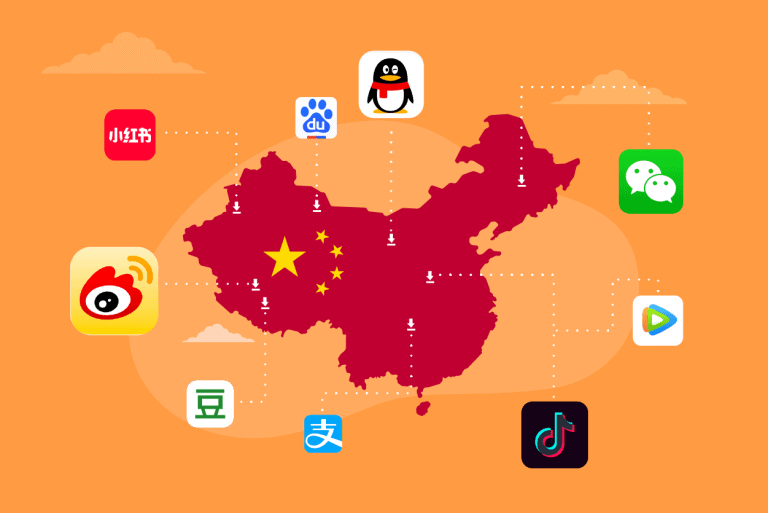
Platforms like Xiaohongshu and Douyin are partnering with international duty-free retailers to tap into Chinese tourists’ overseas luxury spending, which reached 40% of total consumption in 2024. Digital payment integrations (Alipay/WeChat Pay) simplify transactions for travelers . - Domestic Luxury Brands Gain Traction
Rising nationalism and improved quality are boosting local brands like Senbags2, which challenge Western labels by offering similar craftsmanship at lower prices. E-commerce platforms highlight these brands to align with shifting consumer preferences 10. - Social Commerce Dominance
Xiaohongshu and Douyin drive 70% of luxury discovery via user-generated content and live-streaming. Burberry and Dior use Douyin for immersive campaigns, while Xiaohongshu’s “seamless commerce” model converts inspiration to sales . - Sustainability as a Selling Point
Gen Z’s eco-consciousness pushes platforms to curate sustainable collections. Brands like Gucci highlight recycled materials and carbon-neutral logistics, resonating with 45% of luxury shoppers prioritizing ethical practices . - Hainan’s Duty-Free Decline
Hainan’s duty-free sales fell 29% in 2024 due to competition from e-commerce platforms offering comparable pricing. To compete, Hainan is enhancing digital integration and exclusive product launches . - AI-Driven Personalization
Luxury platforms leverage AI tools like DeepSeek to analyze consumer behavior, enabling hyper-personalized recommendations. For example, Bilibili’s gaming revenue surged 76% in Q1 2025 using AI-driven content strategies . - Experiential Luxury Integration
Brands blend e-commerce with virtual showrooms and VIP events. Louis Vuitton’s live-streamed pop-ups on Taobao combine product reveals with cultural storytelling, boosting engagement by 30% among high-net-worth users .
5 Strategic Tips for Luxury E-Commerce Success in China
- Prioritize Social Commerce Platforms
Focus on Xiaohongshu and Douyin for influencer collaborations and shoppable livestreams. Use KOLs to create aspirational content that aligns with Gen Z’s desire for authenticity and community-driven trust . - Optimize for Instant Delivery
Partner with JD Takeaway or Ele.me to offer 30-minute luxury deliveries in tier-1 cities. Highlight speed as a premium service, especially for high-demand categories like beauty and electronics . - Reduce Discounts, Elevate Exclusivity
Follow Balenciaga’s lead by minimizing promotions on Tmall. Instead, offer VIP access to limited editions or in-person events to cultivate loyalty among top spenders 57. - Leverage Cross-Border Partnerships
Collaborate with duty-free retailers in Japan or Europe to target Chinese tourists. Use platforms like Ctrip to integrate travel and shopping experiences, emphasizing tax refunds and exclusive bundles . - Invest in Data-Driven Storytelling
Utilize AI analytics to tailor content to regional preferences. For example, promote sustainable collections in eco-conscious cities like Shanghai and heritage lines in tradition-focused markets like Xi’an .
Final Insight
China’s luxury e-commerce sector is navigating a complex landscape of slowing domestic growth and evolving consumer expectations. Success hinges on blending digital innovation (AI, social commerce) with cultural nuance, while balancing exclusivity and accessibility. Brands that prioritize experiential engagement, sustainability, and cross-border agility will thrive in this reset market.
Is the Chinese luxury e-commerce market in decline?
The Covid-19 pandemic in 2020 caused a boom in online luxury sales. According to Bain & Co, online sales accounted for about 26% of all luxury goods sales in China in 2021. This represents a 56% increase from the previous year. The best business model for luxury e-commerce platforms in China is still unknown.
Secoo, China’s largest luxury e-commerce company, has seen its share price fall over the past year as it attempts to diversify its business model. In March, L Catterton Asia’s subsidiary, Great World, announced a refinancing deal.
Secoo is not the only high-end platform experiencing problems. Yoho!, an online streetwear platform, was founded by Yoho! According to a report by Tencent News, Buy was experiencing financial difficulties. Wanlimu, a luxury e-commerce platform, was closed by Qudian. Higo was also shut down last August.
International players are strengthening their presence in the Chinese market, despite the difficulties of local luxury fashion e-commerce sites. Net-a-Porter unveiled new updates to its Chinese site and app in October 2021. Sequoia Capital China has taken a minority stake in Ssense, a Canadian luxury e-commerce site. This signaled that the platform would expand its presence in China.
There is much to gain. It is clear that the high-end e-commerce sector in China has undergone major changes.
The rise of community e-commerce
It is difficult to find the right business model that will work for luxury online platforms. The e-commerce players should adopt the marketplace model. They will take a share of sales but do not own stock. Do they need to buy stock to adopt a buyer-led model like Net-a-Porter?
There are problems with this buyer-driven approach. Experts say that China does not have a sophisticated multi-brand retail culture. Instead, shoppers are buying agents. The Chinese consumer’s shopping experience has been affected by a lack of high-quality products and concerns about authenticity. Stockpiling can also be a problem.
The combination of market and purchase can be a good approach. It better meets the needs of consumers. Mode Sens, Beijing Zhidemai Tech, and Dealmoon are all community-driven e-commerce companies. They have successfully positioned themselves at the intersection of brands and consumers while maintaining strong social relationships with their downstream customers.
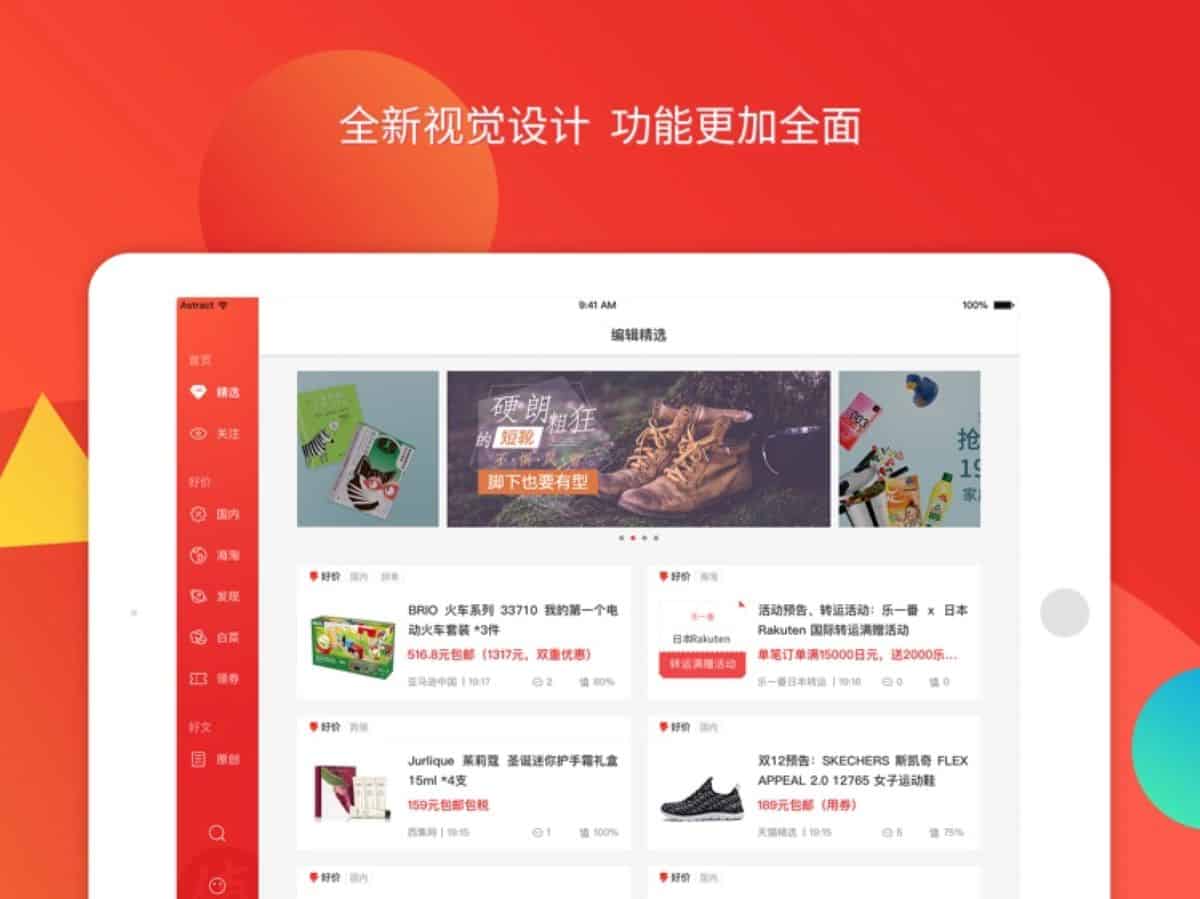
Liang Zizi is a fashion lover who works in the advertising industry. She believes that shoppers don’t care which channel they buy through. They are content with their own e-commerce which they can access via their social networks.
According to her, brands can distribute their products on several channels, such as Taobao and JD.com, and sell the same products on all these platforms. She says it doesn’t matter which platform the customer uses to place an order. It is only important that they offer the products that the customer is looking for.
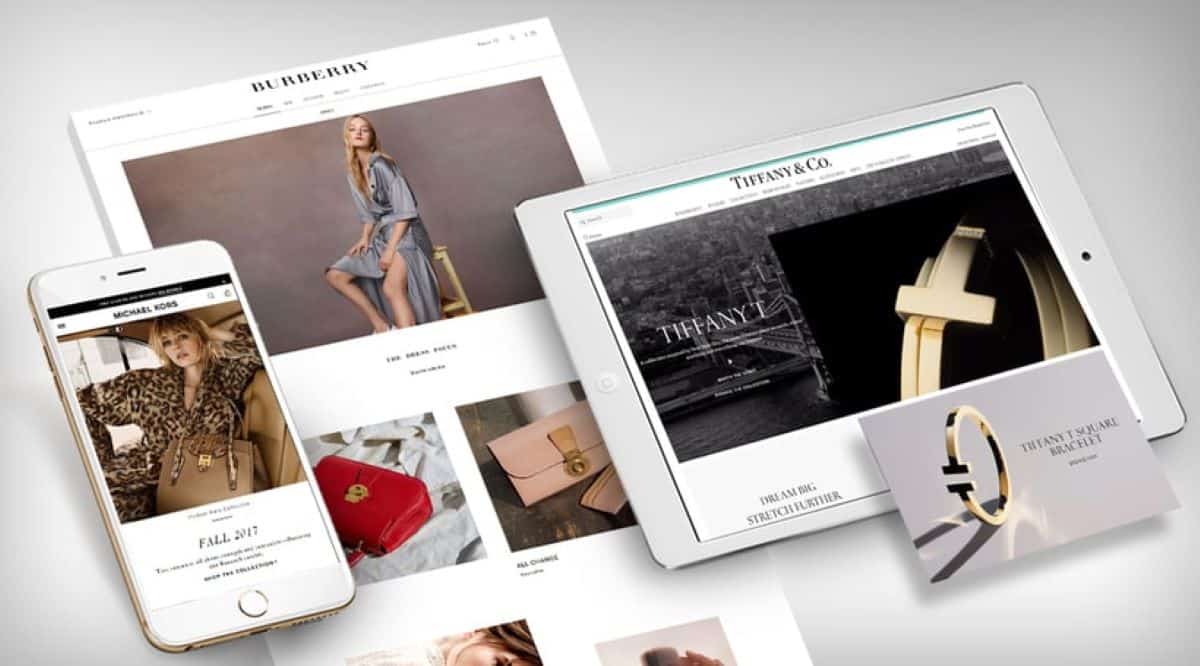
Even the biggest Chinese e-commerce players have struggled to develop a luxury brand offering. JD.com’s luxury e-commerce platform Toplife, launched in 2017, was connecting its online flagship shop to luxury brands from around the world. It lacked content and community services. Toplife was sold in 2019 and merged with Farfetch China. JD Fashion offers luxury brands a variety of business models. LVMH brands like Louis Vuitton and Givenchy have chosen JD Fashion’s mini-programs. This allows them to control the user experience and the customer journey.
Luxury e-commerce puts a premium on service
China’s rapid economic development has seen consumers move rapidly from a world of limited choice to one with more options. Traditional e-commerce is under pressure to offer new services and add value.
Net-a-Porter China has launched a personal styling service for EIP customers. To facilitate shopping, styling consultants can bring mobile wardrobes directly to customers’ homes. Net-a-Porter China’s private fashion consultancy service is only available to customers with more than RMB 100,000 a year ($15,500).
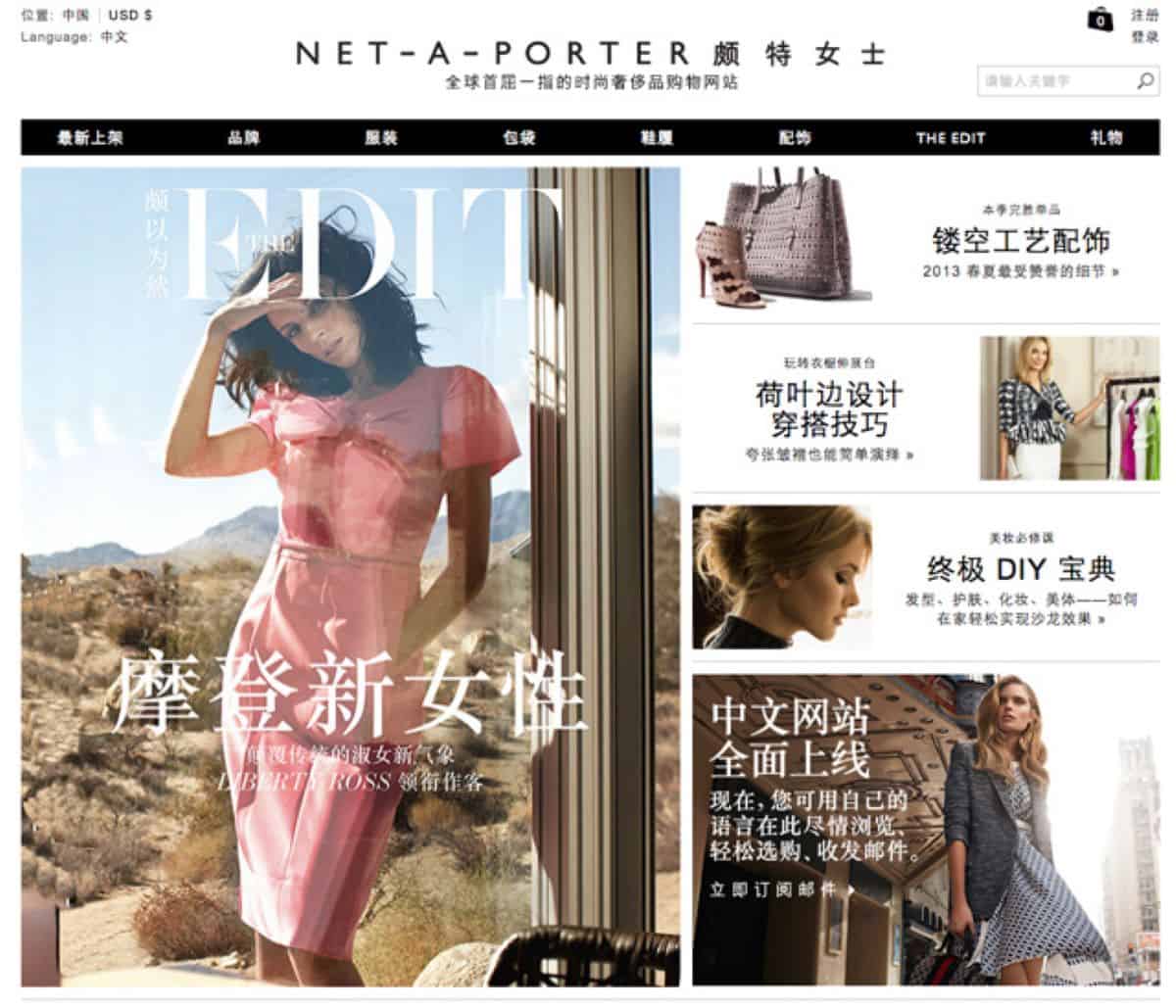
According to Net-a-Porter, 40% of fashion sales in the West come from 3% of its customers. This core group is clearly the key to success.
Farfetch is actively exploring a range of business models. Curiosity China was acquired by Farfetch in July 2018. This digital technology company provides business development and management services to over 80 luxury brands in China. Farfetch is a platform that supports high-end luxury brands by providing services such as inventory management and cross-border logistics. Farfetch launched a new pre-order service in August 2021 that allows brands to only produce goods that have already been sold. This reduces pressure on inventory and minimizes production waste. This approach has been explored by brands such as Balenciaga and Off-White.
In conclusion
In the coming years, brands’ e-commerce platforms could become key distribution channels. If luxury brands are able to keep control, the platforms will flourish. Jean-Jacques Guiony, CFO of LVMH, highlighted an agreement between LVMH and Tmall, a high-end platform from Chinese e-commerce giant Alibaba. Bulgari will operate and control this shop-in-shop, including assortment, payment, and data. This will allow us to maintain a strong presence on Tmall while adhering to our retail guidelines. We don’t want to do online what we don’t do offline.