Chinese tourists may be rude : sensitization is so important.
What About Behavior and Cultural Differences?
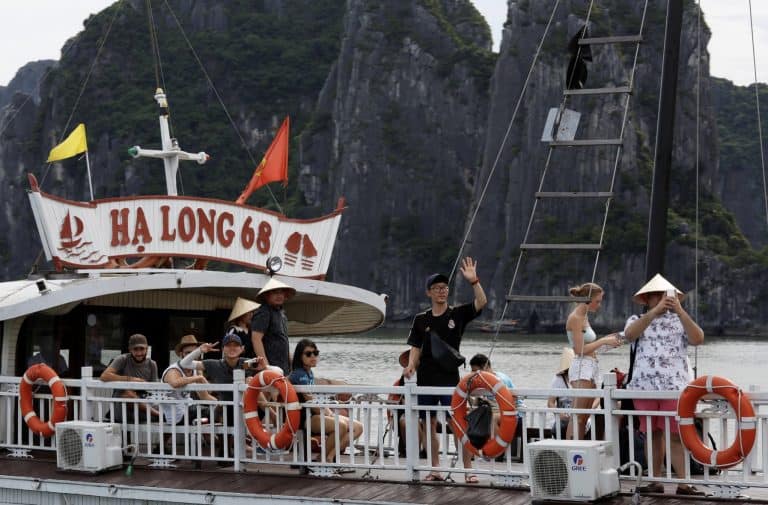
Have you ever hosted Chinese tourists and felt they acted differently from what you’re used to? Maybe sometimes they seemed loud, or not fully aware of local rules. This is a common experience, especially when travelers are new to international trips.
But here’s the good news: 🙂
Chinese tourists are extremely disciplined when someone explains the rules clearly. They are used to following guidance in their own country, and they respect authority and organization. If you give them clear instructions – what is allowed, what is not, how to behave in certain places – they will adapt quickly.
This Olivier VEROT, founder of GMA… Expert in digital with more than 400 projects over 12 years (yes I was busy 🙂 )
Sensitization
That’s why sensitization is so important. Poor communication or no preparation often leads to misunderstandings. But if travel agencies, guides, and destinations take time to explain local customs and expectations, most issues disappear.
In fact, many Chinese travelers appreciate it when rules are explained directly. It helps them feel safe, included, and confident that they are doing the right thing.
So, what’s the takeaway? Don’t assume “they should know.” They don’t. Instead, make it part of the visitor journey: welcome them, explain how things work in your country, and set the tone. You’ll see the difference immediately.
For tourism SMEs ; hotels, tours, restaurants, and attractions – this is both a huge opportunity and a real challenge.
Why? Because Chinese tourists don’t behave like Western ones. They don’t search on Google, they don’t use Instagram, and they don’t pay with cash. If you want a slice of this market, you need to adapt your marketing and your service.
Let’s break it down, my readers what Chinese tourists expect, how to reach them, where most SMEs fail, and what you can do immediately.
What Do Chinese Tourists Really Want?
Chinese travelers are not “random tourists.” They are hyper-connected, social-media-driven, and extremely detail-oriented.
- They research everything – but not on Google. They use Douyin (TikTok China), Xiaohongshu (RED), and WeChat.
- They trust peers, not ads. If nobody posts about you on RED, you don’t exist.
- They need convenience. QR codes, mobile payments (WeChat Pay, Alipay), and clear instructions. If your booking looks complicated, they’ll move on.
👉 Example: A small café in Paris went viral on Xiaohongshu because one influencer posted about its croissants. Within weeks, Chinese tourists were queuing outside. Not because of TripAdvisor. Not because of Google Maps. Because of RED.
Why Is This Market Gold?
Everyone wants Chinese tourists. Not just for the numbers (though they’re the largest outbound market in the world), but because they spend.
- They spend big on food, shopping, and experiences.
- The profile is changing: it’s not just bus groups anymore. You see young couples, families, independent travelers looking for authentic activities – cooking classes, hiking tours, local restaurants.
👉 Example: A rural Italian farm offering pasta-making workshops suddenly started getting bookings from Chinese families. Why? A single short video on Douyin showcasing the “authentic countryside life” went viral.
For SMEs, this is huge. You don’t need a luxury mall to attract them – a unique local experience is enough.
Where Most Businesses Fail
Three main mistakes:
- Wrong platforms → Facebook, Instagram, Google = blocked in China. If that’s your strategy, you’re invisible.
- Bad messaging → Translating your English brochure into Chinese won’t work. A boring “4-star hotel with free WiFi” ad won’t inspire anyone. You need local storytelling.
- No visibility → Chinese tourists are spoiled for choice. If you’re not present online, someone else is.
👉 Example: A small ski resort in Switzerland relied only on traditional agencies. They watched as a competitor resort, active on Douyin, attracted waves of Chinese visitors – while their slopes stayed empty.
How Do They Choose Where to Go?
Think about how you book trips: you watch videos, check reviews, read blogs. Same for Chinese tourists – but again, on their apps.
- Douyin: 15-second videos of food, attractions, activities.
- Xiaohongshu (RED): Travelers post reviews and “must-visit” spots. These posts feel authentic, and Chinese tourists trust them.
- WeChat: The all-in-one app. Articles, mini-programs for booking, and direct communication.
If you’re serious about this market, you can’t skip these. They are the entry door.
Why Social Media > Old School Travel Agents
Forget waiting for travel fairs or hoping Chinese agencies will send you groups. That’s slow. That’s 2010.
- Direct access to the traveler.
- Faster results.
- Cheaper visibility.
- Real trust (because of UGC – user-generated content).
👉 Example: A Spanish tapas bar worked with 3 micro-influencers on RED. Result: hundreds of Chinese tourists checking in, ordering, and posting about it. Zero big agency contracts needed.
Cultural Sensitivity Matters
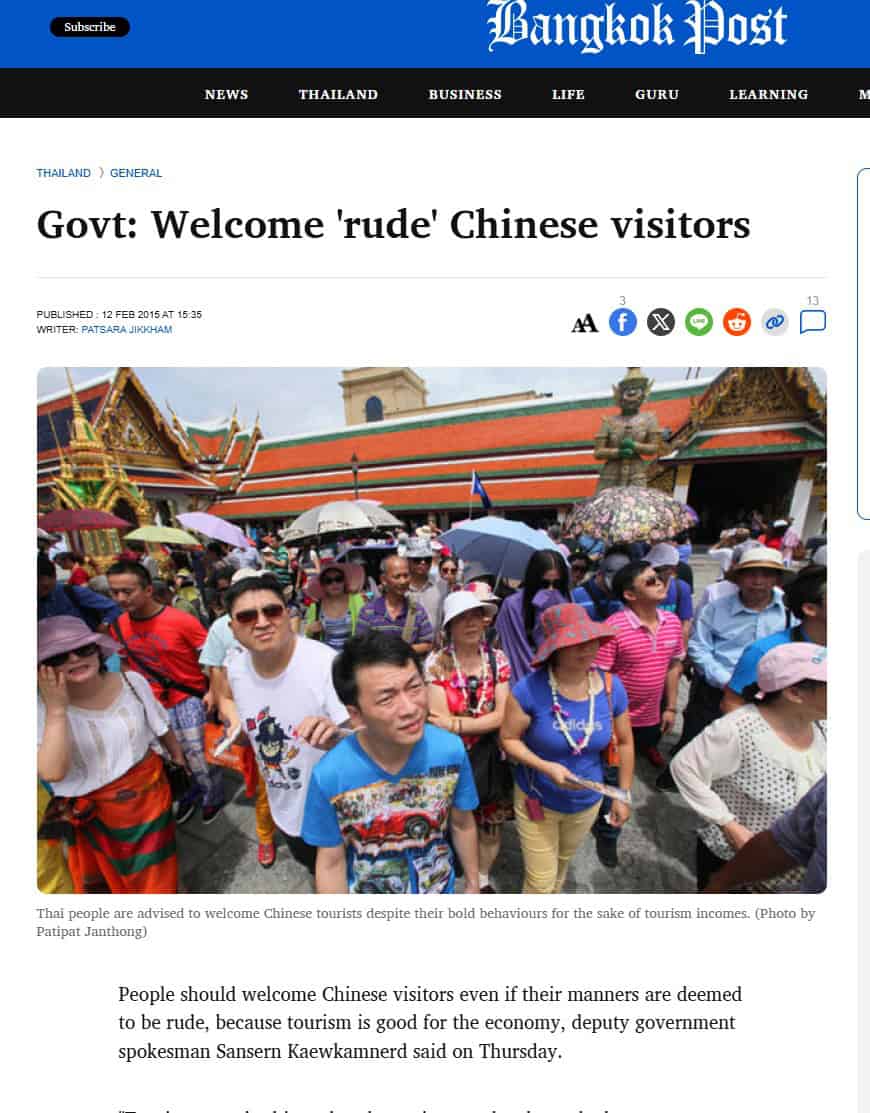
Yes, sometimes Chinese tourists don’t follow local etiquette. Loud voices, unusual behaviors… it happens. But the truth? They just don’t know the local rules.
Chinese people are very disciplined when things are explained clearly. The problem is nobody tells them.
👉 Example: In Thailand, some temples created signs in Chinese explaining dress codes and behavior. Result? 80% fewer complaints about tourists entering improperly dressed.
If you make the effort – simple signage, short WeChat/RED videos, friendly guides – you’ll avoid 90% of misunderstandings.
Practical Tips for SMEs
Here’s what you can do immediately:
- Be visible – Open accounts on Douyin, RED, and WeChat. Share short, authentic content.
- Use Chinese-friendly signage – Reception, toilets, restaurant. Simple but powerful.
- Offer WeChat Pay & Alipay – If you don’t, you’ll lose clients.
- Create a mini etiquette guide – In Chinese, fun and simple. Post it on your accounts.
- Train your staff – Even basic cultural knowledge makes a difference.
- Be on WeChat – That’s where Chinese travelers will message you.
None of this requires a huge budget. It requires awareness, adaptation, and consistency.
👉 Example: A small wine estate in Bordeaux made a 2-minute Douyin video with subtitles: “How to taste wine like a French local.” It became their best-performing content, bringing in Chinese visitors who booked tours just to “try wine the French way.”
My Conclusion…
Chinese tourists are back. They are digital-first, community-driven, and eager to explore. If you want them, don’t rely on luck. Don’t wait for agencies.
“Be visible where they are. Speak their language. Make them feel welcome.“